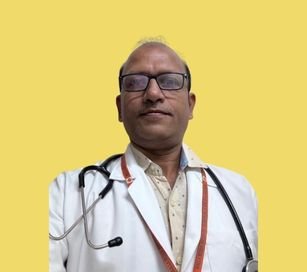
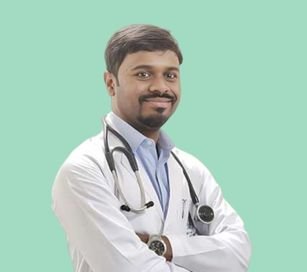
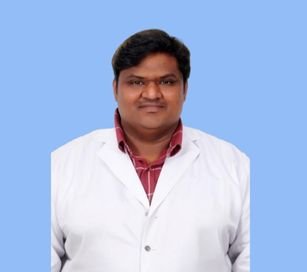
Dr. Srinivas Subudhi is a dedicated and highly experienced Pediatrician specializing in the care of infants, children, and adolescents. Holding an MBBS and a Master’s degree (MS) in Pediatrics, Dr. Subudhi is known for his compassionate, evidence-based approach to child health. His expertise spans from routine childhood immunizations and wellness exams to diagnosing and treating complex pediatric conditions.
With a strong clinical foundation and years of hands-on experience, Dr. Subudhi is committed to ensuring every child receives individualized care tailored to their physical, emotional, and developmental needs. His calm and friendly demeanor helps build trust with young patients and reassures concerned parents, creating a supportive environment for families.
Dr. Srinivas Subudhi offers comprehensive pediatric services, including newborn care, growth and development monitoring, nutritional counseling, and management of childhood infections, allergies, asthma, and more. He closely follows global pediatric guidelines and stays updated on the latest advancements in pediatric medicine to provide the best possible outcomes for his patients.
Beyond treating illnesses, Dr. Subudhi emphasizes preventive care and parental education. He takes the time to explain conditions, treatment options, and long-term care strategies to parents, empowering them to make informed decisions about their child’s health. His dedication to continuous follow-up and holistic care makes him a trusted partner in a child’s health journey.
Currently practicing at Sudershan Hospital in Hyderabad, Dr. Srinivas Subudhi is available for consultations for patients of all pediatric age groups. Whether it’s a baby’s first vaccination or adolescent health concerns, Dr. Subudhi provides reliable, compassionate, and expert pediatric care in a child-friendly setting.
Expert Pediatrics Consultation with DR Srinivas Subbudi
OPD & Vaccination
The Outpatient Department (OPD) is where patients visit a healthcare facility for diagnosis, treatment, or follow-up without being admitted overnight. It offers services such as consultations, routine check-ups, diagnostic tests, and minor procedures. OPDs play a crucial role in early detection and management of health issues.
Vaccination is a safe and effective way to protect against infectious diseases by stimulating the body’s immune system to recognize and fight specific pathogens. Common vaccines include those for measles, polio, influenza, HPV, and COVID-19. Vaccinations help prevent illness, reduce disease spread, and save lives.
PICU
The Pediatric Intensive Care Unit (PICU) is a specialized hospital ward that provides critical care for seriously ill or injured children. It is equipped with advanced monitoring and life-support equipment and staffed by specially trained doctors and nurses. The PICU focuses on managing severe medical conditions such as respiratory failure, severe infections, trauma, and post-surgical care to support recovery in children.
The PICU is equipped with advanced technology such as mechanical ventilators, cardiac monitors, infusion pumps, and specialized diagnostic tools to support vital organ function. Children admitted to the PICU may suffer from a wide range of severe illnesses, including respiratory failure, severe infections (sepsis, meningitis), congenital heart defects, traumatic injuries, neurological emergencies, and complications following major surgery.
MICU
The Medical Intensive Care Unit (MICU) is a specialized hospital unit designed to provide comprehensive and continuous care for adult patients with severe, life-threatening medical conditions. The MICU caters to critically ill patients requiring close monitoring and advanced support for vital organs such as the heart, lungs, kidneys, and nervous system.
Patients admitted to the MICU often suffer from conditions such as severe respiratory failure, septic shock, acute cardiac events (like heart attacks), severe infections, kidney failure, and complicated metabolic or neurological disorders. The unit is equipped with advanced monitoring systems, mechanical ventilators, dialysis machines, and infusion devices to support critical functions.
Phototheraphy
Phototherapy is a medical treatment that uses specific wavelengths of light to treat various health conditions. One of the most common uses is for neonatal jaundice, where blue light helps break down excess bilirubin in newborns, preventing brain damage.
Phototherapy is also used in dermatology to treat skin conditions like psoriasis, eczema, and vitiligo by reducing inflammation and promoting skin healing. The treatment is generally safe, non-invasive, and often involves exposing the affected area or the whole body to controlled light sources under medical supervision.
Spesis Care
Sepsis is a life-threatening condition caused by the body’s extreme and dysregulated response to an infection, which can rapidly progress to tissue damage, organ failure, and death if not treated promptly. It can arise from infections anywhere in the body, including the lungs (pneumonia), urinary tract, abdomen, or bloodstream (bacteremia).
The progression of sepsis can lead to septic shock, characterized by dangerously low blood pressure that does not respond adequately to fluid replacement, resulting in poor blood flow to vital organs. This can cause multiple organ dysfunction syndrome (MODS), a severe complication with high mortality risk.