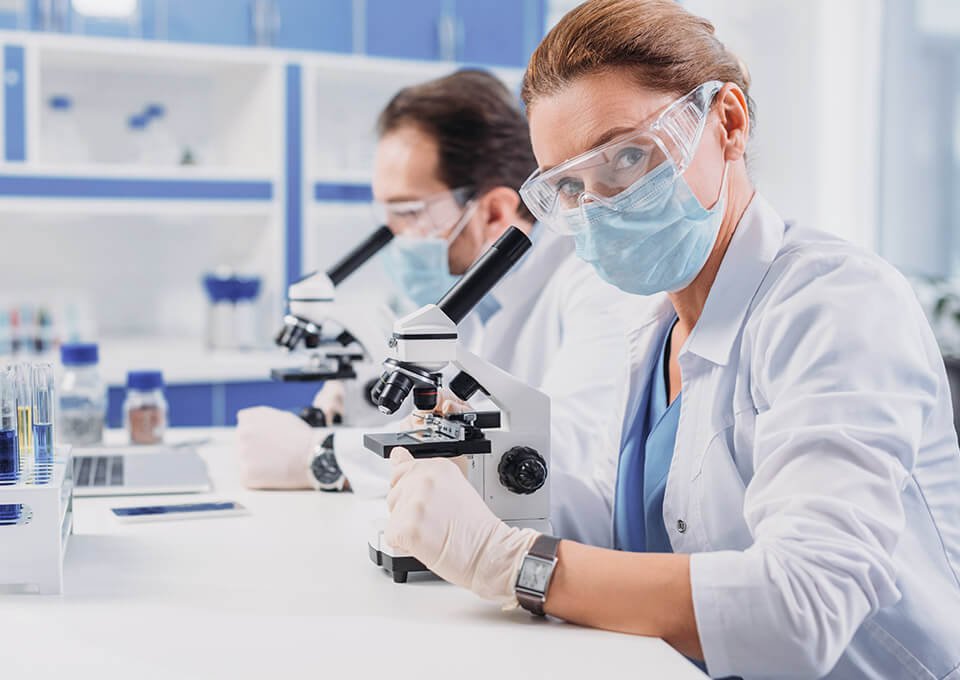
At Sudershan Hospital, our Orthopedics Department offers comprehensive care for disorders of the bones, joints, muscles, ligaments, and nerves. Whether you’re dealing with a sports injury, age-related degeneration, trauma, or chronic pain, our expert orthopedic specialists provide accurate diagnosis and advanced treatment options to help you move pain-free and live better.
We combine modern diagnostics, evidence-based treatments, and personalized rehabilitation plans to restore mobility, improve function, and enhance quality of life for patients of all ages.
Our qualified orthopedic surgeons and specialists bring extensive experience in treating both common and complex conditions.
We use advanced imaging technology and clinical evaluation to pinpoint the cause of pain or dysfunction.
From conservative care to surgical intervention, we offer a full spectrum of treatments tailored to your needs.
Where appropriate, we use arthroscopy and other minimally invasive procedures to reduce pain and speed recovery.
Post-treatment rehabilitation plans help you regain strength, mobility, and confidence.
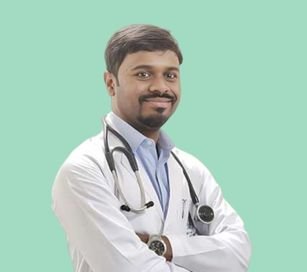
Physician & Diabetologist
MBBS, MD - General Medicine General Physician and Diabetologist
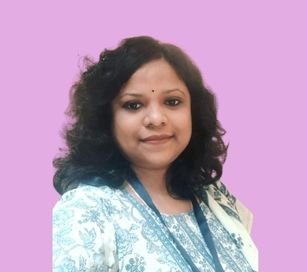
Physician & Diabetologist
MBBS, MD - Pharmacology General Physician & Fellowship in Diabetology
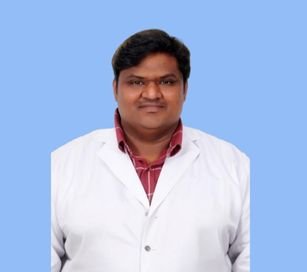
General Surgery
MBBS, MS (General Surgery) M.MAS,DMAS, FMAS, FICRS Laparoscopy, Laser, Robotic
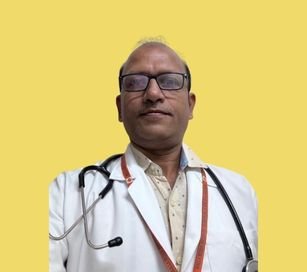
Pediatrics
MBBS, MS Pediatrics - specializing in the care of infants, children, and adolescents.
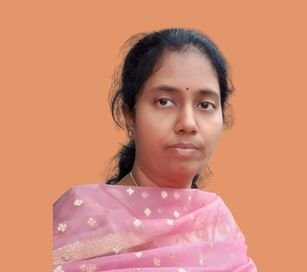
Orthopedic care focuses on diagnosing and treating conditions related to bones, joints, muscles, ligaments, tendons, and the spine. It helps manage pain, injuries, and movement-related problems.
You should see an orthopedic specialist if you experience joint pain, back pain, fractures, sports injuries, difficulty in movement, swelling, stiffness, or persistent pain that does not improve.
Orthopedics treats arthritis, fractures, sports injuries, back and spine problems, knee and hip disorders, shoulder pain, ligament injuries, and bone deformities.
No. Many orthopedic conditions can be treated with non-surgical methods such as medications, physiotherapy, lifestyle changes, or injections. Surgery is recommended only when necessary.
Common tests include X-rays, MRI, CT scans, blood tests, and physical examinations to accurately diagnose the condition.
Recovery time depends on the condition and type of treatment. Minor injuries may heal in a few weeks, while surgeries may require longer recovery with rehabilitation support.
Yes. Physiotherapy plays a key role in recovery by improving strength, flexibility, and mobility after injury or surgery.
Many conditions can be prevented or managed by maintaining a healthy weight, regular exercise, proper posture, using correct techniques during activities, and seeking early medical advice.
Yes. We provide specialized care for age-related conditions such as arthritis, osteoporosis, and joint degeneration.